Laser Type
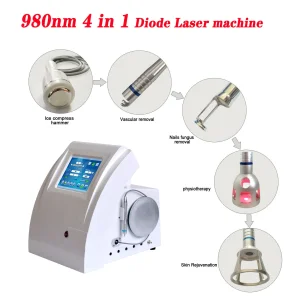
Fiber-Coupled Diode Laser
Wavelength
980nm/810nm/1064nm Optional
Function
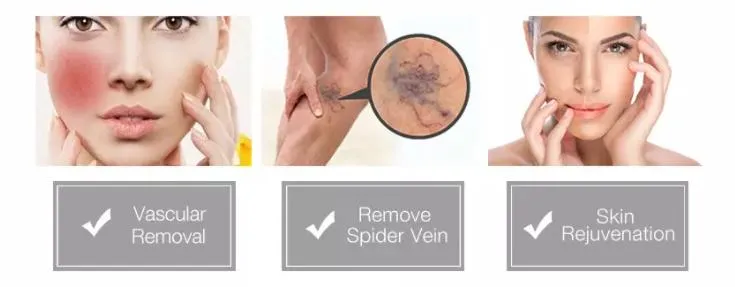
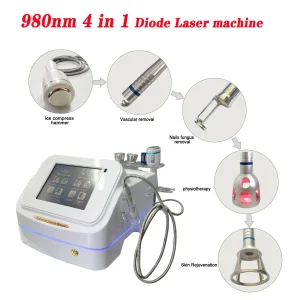
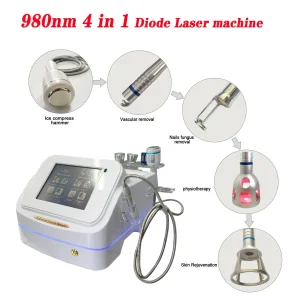
Vascular Removal, Spider Veins Removal
Working Mode
Cw, Pulse Wave, Single
Fiber Connector
International Standard SMA905
Other Function
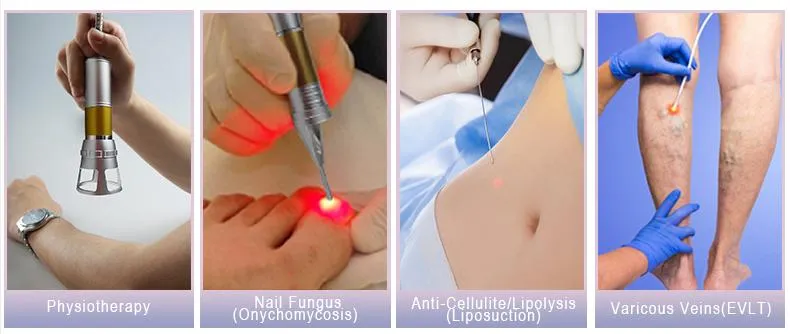
Physiotherapy, Lipolysis, Nail Fungus Removal
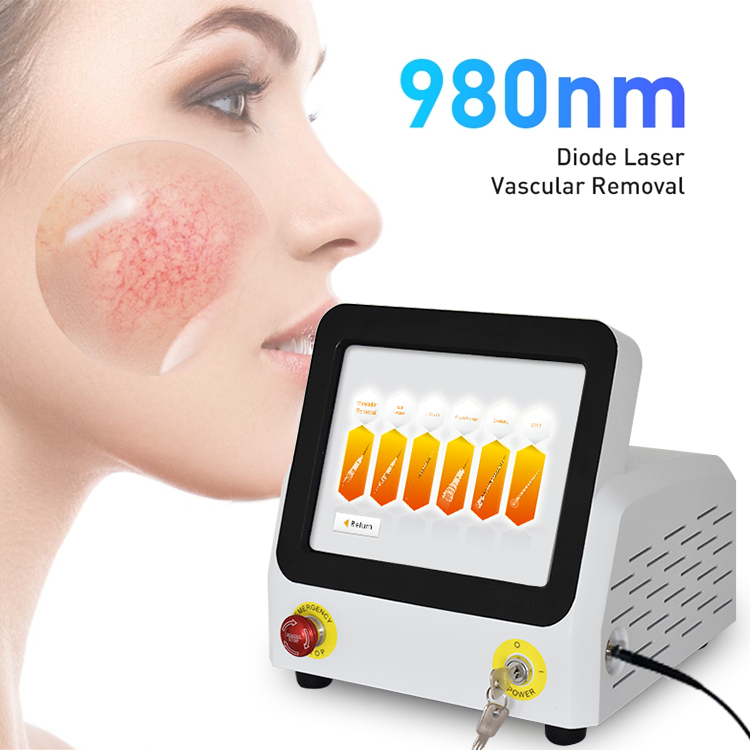
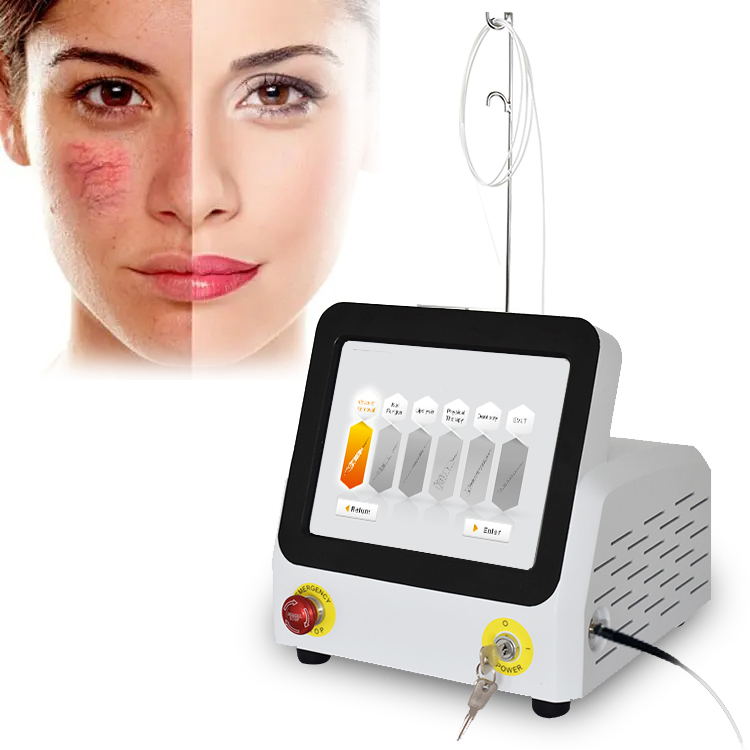
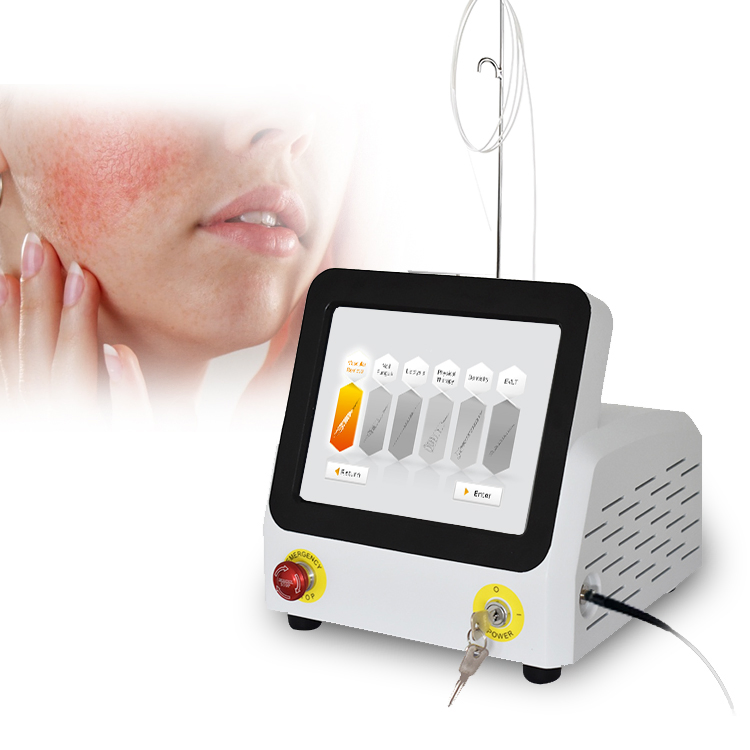
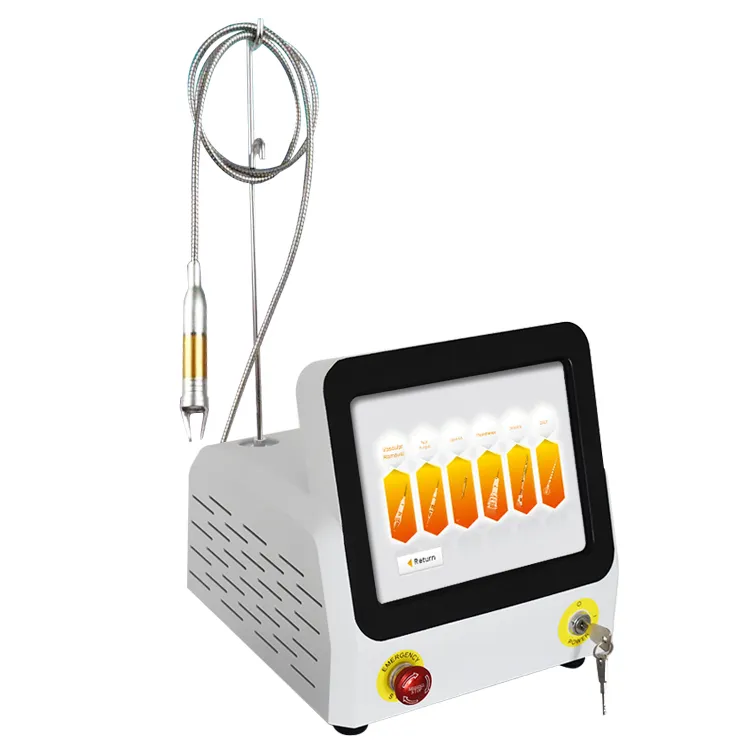
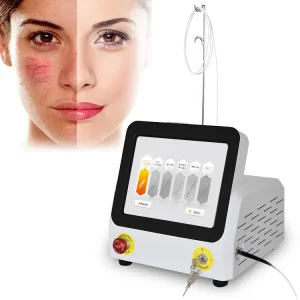
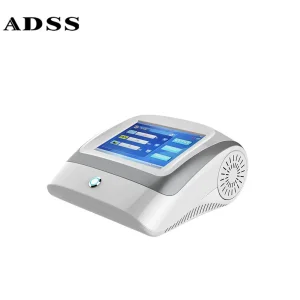
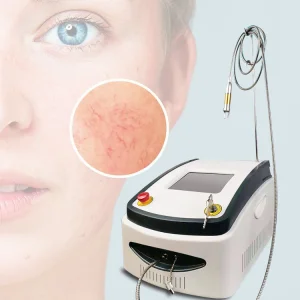
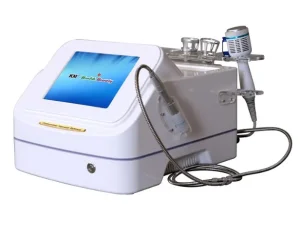
Portable Non-Invasive Diode Laser 980nm Vascular Removal Machine
980nm Diode laser Infrared Physiotherapy Physical Therapy Equipment
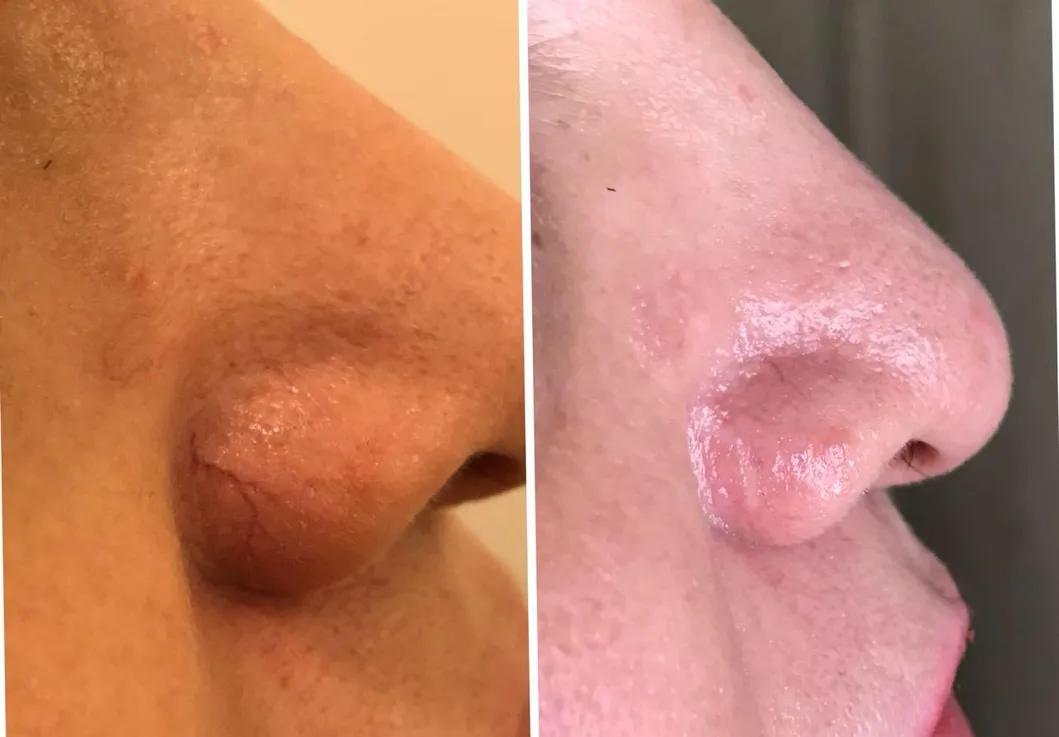
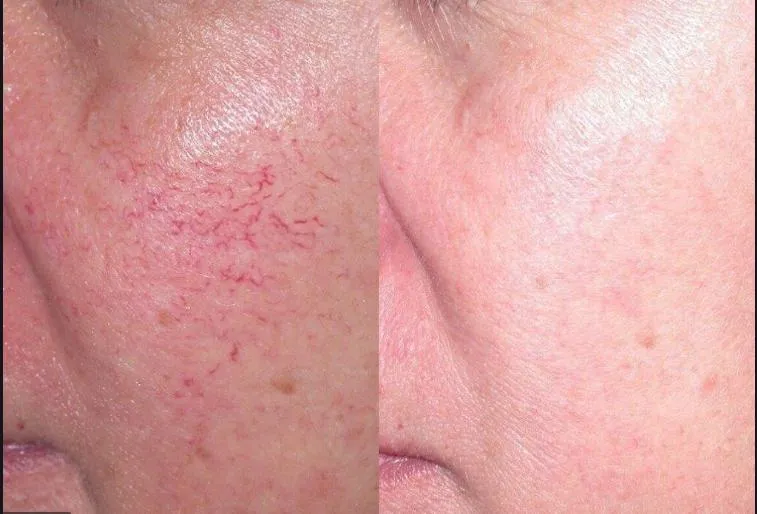
Treatment Principle: 980nm laser is the optimum absorption spectrum of Porphyrin vascular cells. Vascular cells absorb the high-energy laser of 980nm wavelength, solidification occurs, and finally dissipated.
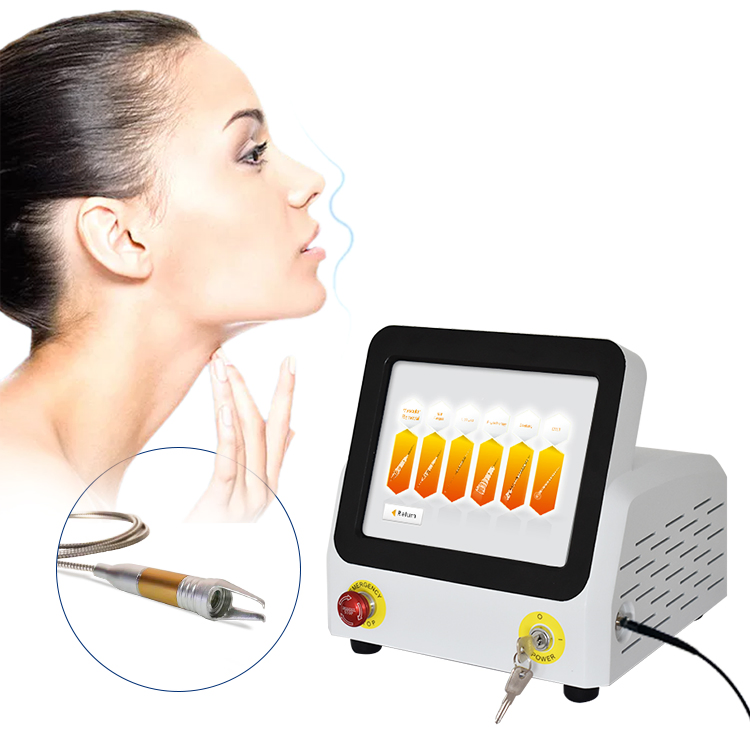
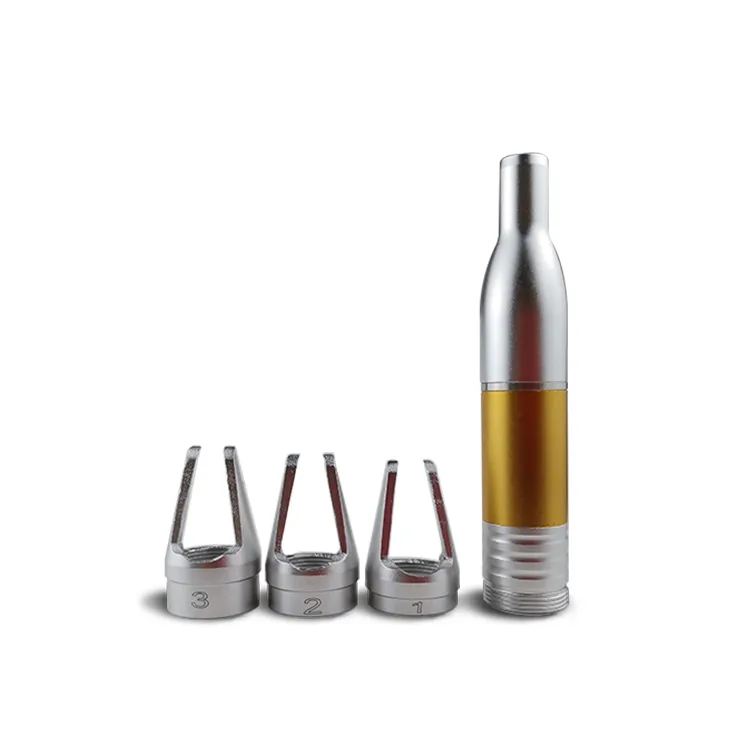
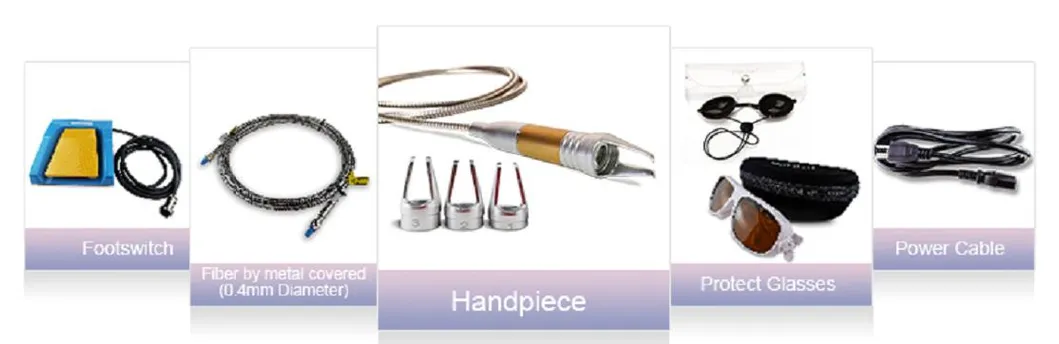
To avoid traditional laser treatment redness or burning of large areas, the professional hand-piece focuses the beam onto a 0.2-0.5mm diameter range, ensuring energy reaches target tissue while avoiding damage to surrounding skin.
The laser stimulates dermal collagen growth, increasing epidermal thickness and skin elasticity during treatment.
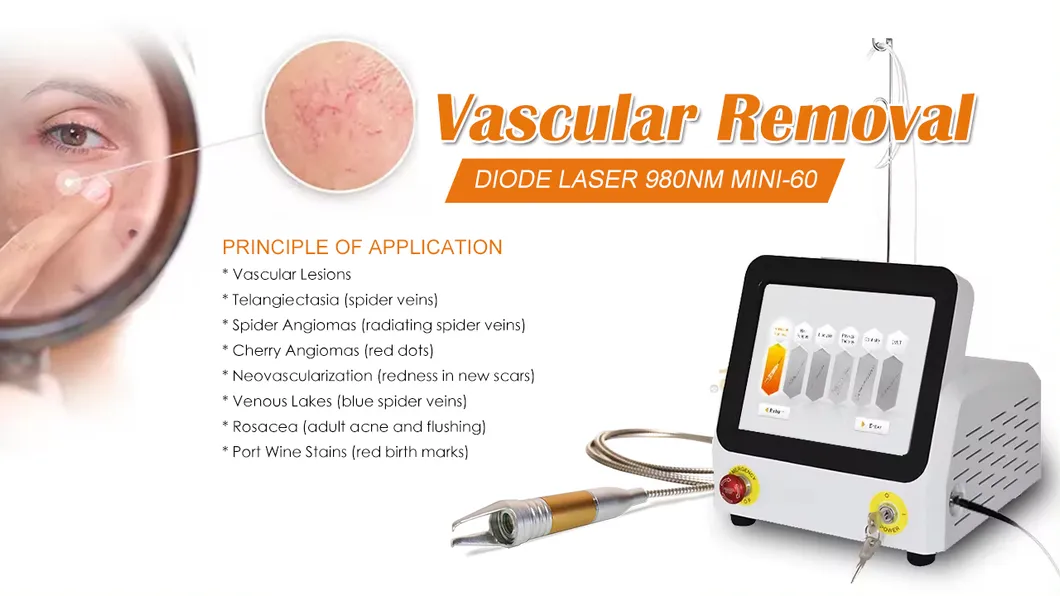
Mainly for vascular therapy:
✓ Vascular lesion therapy
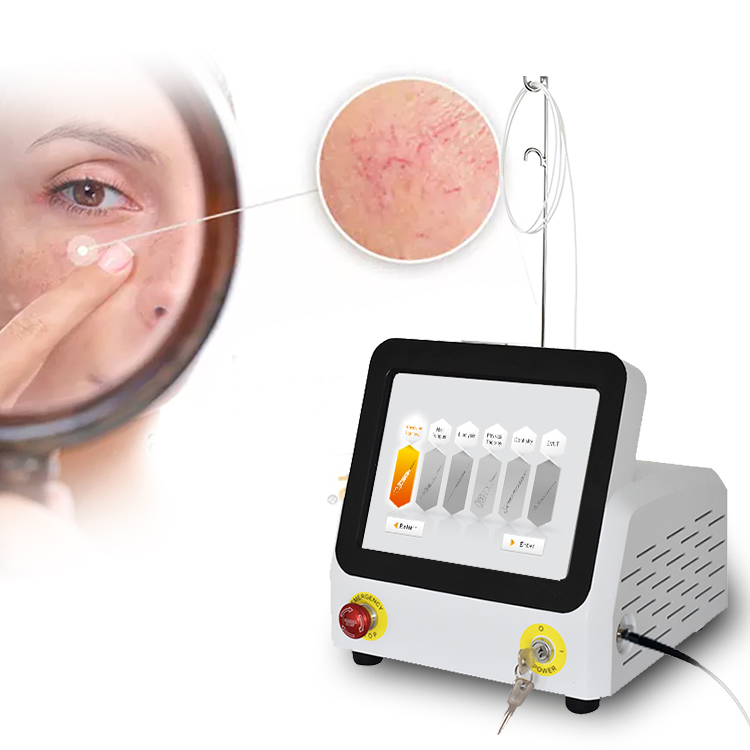
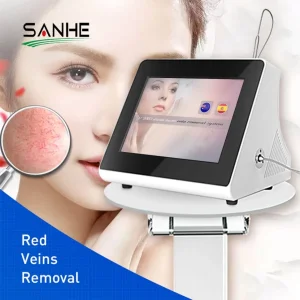
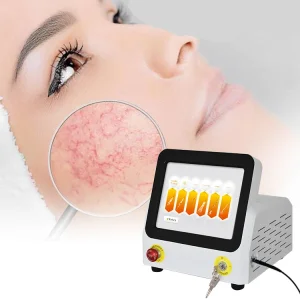
✓ Spider Veins/face veins removal
✓ Cherry haemangioma and telangiectasia treatment
1.Most advanced 980nm diode laser technology in the market.
2.Easy operation with no injury, bleeding, or scarring.
3.Professional design treatment hand-piece.
4.High efficiency: 1-2 treatments for permanent results.
5.Maximum output power up to 60W.
❓ Frequently Asked Questions
1. What is the effect of 980nm laser on red blood filaments?
The 980nm laser can penetrate the surface of the skin, act on the hemoglobin in the blood vessels, and shrink the blood vessels through the thermal effect, thereby reducing or eliminating the phenomenon of red blood streaks.
2. Will treatment be painful?
Most patients feel only slight tingling or heat during the process of 980nm laser treatment. Some people may experience some degree of discomfort, but this feeling is usually acceptable.
3. How many treatments are needed to see results?
Typically, patients may need 2 to 4 treatments to see a significant reduction in redness. A few weeks between treatments is required to give the skin time to recover.
4. What are the side effects after treatment?
Temporary redness, swelling, bruising, or mild pain may occur. These side effects usually go away on their own within a few days. Pigmentary changes are rare and usually temporary.
5. What special attention should be paid after treatment?
The treated skin may be sensitive to the sun, so avoid sun exposure and use sunscreen. Avoid using irritating cosmetics or drugs for a few days after treatment.
6. How long does the treatment effect last?
For most patients, the reduction or disappearance of red blood cells can last for several months or longer. Maintenance treatment is sometimes required if new telangiectasia appears over time.
 NexAffair Medical