In the booming field of aesthetic treatments, understanding the operational costs is crucial. Many professionals wonder, "How much do professional aesthetic machines cost to run?" Recent industry reports indicate that the operating costs for these machines can vary significantly based on location, machine type, and service offerings. For instance, laser machines often incur higher maintenance costs due to their complexity, averaging around $15,000 annually.
Another factor impacting cost is the consumables used during treatments. These can add up quickly, sometimes exceeding $7,000 yearly for popular therapies like laser hair removal. Moreover, training staff to operate these machines effectively contributes to overall expenses. In various regions, this can reach upwards of $5,000 per employee.
As the market evolves, it's important to keep a close watch on these costs. Failing to account for operational expenses can lead to budgeting issues. Business owners must balance machine investments with their financial realities, ensuring success in this competitive industry. Ultimately, a comprehensive understanding of costs will foster smarter financial decisions and enhance profitability.
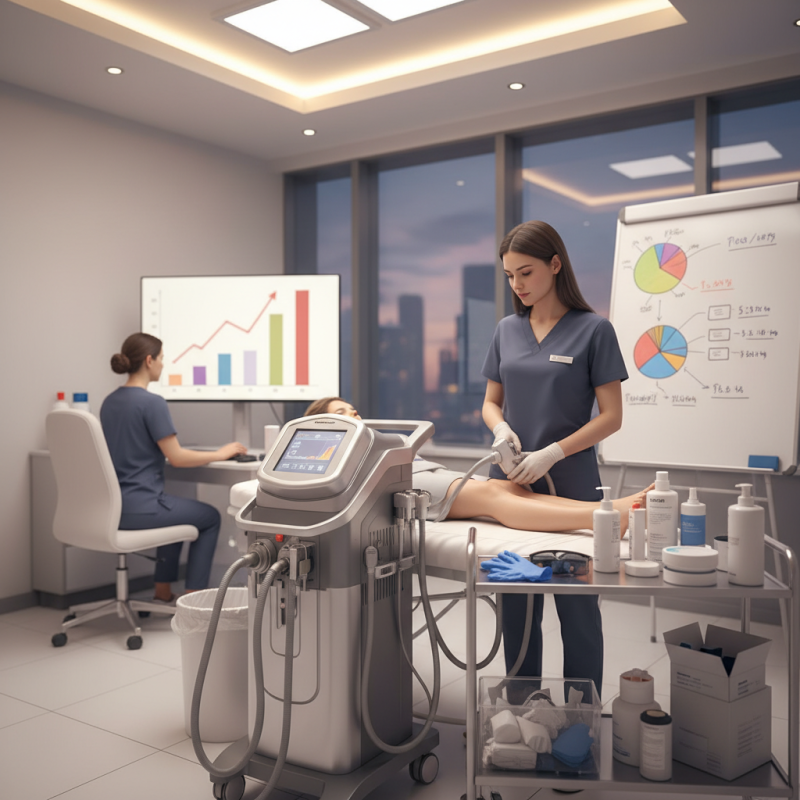
Overview of Aesthetic Machines and Their Global Usage
Aesthetic machines have gained immense popularity in recent years. These devices encompass a wide range, including lasers, radiofrequency tools, and injectable equipment. They are used for skin rejuvenation, body contouring, and hair removal globally. The global aesthetic device market is projected to reach over $15 billion by 2025, with a compound annual growth rate (CAGR) of approximately 10%. This immense growth reflects the increasing demand for minimally invasive procedures.
In North America, the aesthetic market is particularly robust, accounting for nearly 40% of global revenue. Factors contributing to this trend include a growing emphasis on personal appearance and advancements in technology. However, the high investment costs and operational expenses can often deter new entrants into this space. Some clinics report operation costs ranging from $100,000 to $250,000 annually, including maintenance and training.
Tip: Before investing, consider the local competition and patient demographics. Assess whether the expected revenue can sustain these operational costs over time. Evaluating average procedure prices and patient volume in your area is crucial for financial planning. Each market varies, and assumptions based on other regions may lead to unexpected challenges.
Factors Influencing the Operational Costs of Aesthetic Machines
Operating aesthetic machines entails various costs influenced by multiple factors. One significant aspect is the type of technology used. For instance, laser systems generally require more technical maintenance than ultrasound devices. According to industry estimates, the average cost of maintaining a laser machine can be around $15,000 annually. This can vary widely based on usage and machine type.
Another factor is energy consumption. Aesthetic devices often consume substantial power during treatments, leading to higher utility bills. Research indicates that clinics can spend up to 30% of their operational budget on energy costs alone. Seasonal demand can also play a role, as certain times of the year may lead to spikes in machine usage, affecting overall expenses.
Tips: Regularly assess energy usage for efficiency. Consider scheduling maintenance during off-peak times to minimize interruptions. Tracking operational costs closely can help identify areas for improvement. Investing in training for staff can enhance their proficiency, ensuring treatments run smoothly and effectively.
Regional Variations in Aesthetic Machine Operating Costs
Operating aesthetic machines can vary greatly by region. In North America, the costs are relatively high due to advanced technology and training. Staff salaries and maintenance fees often add to the expenses. In contrast, Southeast Asia frequently offers more affordable options. However, the price difference may reflect varying standards of training and equipment quality.
Tips: Consider the local market when investing in aesthetic machines. Research the average operational costs and assess the potential return on investment. Take into account not just the purchase costs, but also ongoing expenditures like supplies and staff training.
In Europe, the variance can be significant. Western countries typically incur higher operating costs than Eastern countries. Regulatory environments also play a role. Understanding regional rules can be complex and may impact overall costs. Choosing equipment that complies with local regulations is crucial.
Tips: Engage with local experts to navigate these complexities. They can provide insights into hidden costs or requirements. Additionally, a thorough market analysis can reveal opportunities or challenges associated with different locations.
Comparative Analysis of Aesthetic Machine Costs Across Different Technologies
The cost of operating aesthetic machines varies significantly across technologies. For instance, laser machines can range from $100,000 to $500,000. Meanwhile, ultrasound devices typically cost between $50,000 and $150,000. These figures reflect only the initial investment. Further costs arise from maintenance, training, and consumables.
Maintenance is a crucial aspect that can inflate operational costs. Regular calibration and servicing are essential for optimal performance. For example, annual maintenance for lasers can exceed $10,000. In contrast, some devices may require less frequent servicing, leading to lower ongoing expenses. However, the reliability of these machines can affect treatment outcomes, raising concerns about value for money.
Training staff to operate these machines also incurs costs. According to industry reports, training can range from $1,000 to $5,000 per technician. This investment is critical, as skilled operators are necessary to ensure safety and efficacy in treatments. The interplay between machine costs and operational expenses shows that financial planning is vital for businesses in this field.
How much do aesthetic machines cost to operate globally? - Comparative Analysis of Aesthetic Machine Costs Across Different Technologies
| Technology Type |
Initial Cost (USD) |
Maintenance Cost (Annually, USD) |
Energy Consumption (kWh/month) |
Average Treatment Cost (USD) |
| Laser Hair Removal |
$30,000 |
$1,500 |
250 |
$150 |
| Ultrasound Fat Reduction |
$40,000 |
$2,000 |
300 |
$200 |
| RF Skin Tightening |
$35,000 |
$1,800 |
200 |
$100 |
| Microdermabrasion |
$15,000 |
$800 |
150 |
$75 |
| Chemical Peels |
$5,000 |
$300 |
50 |
$50 |
Future Trends and Expected Changes in Aesthetic Machine Operational Costs
As the aesthetics industry evolves, the operational costs of aesthetic machines are expected to change significantly. Factors such as technology advancements and rising demand influence these costs. For instance, newer machines often come with enhanced features but may require higher initial investments. However, their efficiency often leads to lower operational costs in the long run.
Globally, labor costs vary widely. In some regions, skilled professionals demand higher salaries that impact overall expenses. In contrast, emerging markets may provide a cost-effective workforce. Energy consumption is another crucial aspect. Machines that are more energy-efficient may offer lower operational costs over time, even if their upfront price is higher.
Yet, it's important to reflect on these trends critically. The rapid pace of technological advancement could lead to obsolescence of current machines. Businesses must navigate price volatility and changing patient preferences. Investing in training for staff and keeping abreast of trends will be essential for cost management.
Balancing these elements could prove challenging but is vital for sustainable operation in the aesthetic machine market.
FAQS
: Key factors include technology type, energy consumption, seasonal demand, and regional variations in costs.
Maintenance can average around $15,000 per year, depending on usage and machine type.
These machines consume significant power, potentially leading to 30% of a clinic's operational budget.
Costs can vary greatly; North America tends to be expensive, while Southeast Asia usually offers lower prices.
Training can range from $1,000 to $5,000 per technician, essential for safety and efficacy in treatments.
Evaluate local market costs, potential ROI, and ongoing expenses like supplies and training.
Laser machines can cost between $100,000 and $500,000, while ultrasound devices are around $50,000 to $150,000.
Focusing too much on initial purchase prices and ignoring maintenance and training expenses.
Regular energy assessments and training staff during off-peak times can reduce costs and interruptions.
Regulations can complicate cost structures; non-compliance could lead to unexpected expenses or legal issues.
Conclusion
The article titled "How much do aesthetic machines cost to operate globally?" provides a comprehensive overview of aesthetic machines and their widespread use across different regions. It examines various factors that influence the operational costs, including maintenance, energy consumption, and training requirements. The discussion identifies significant regional variations in operating costs, suggesting that economic conditions and market demand play crucial roles in determining expenses.
Additionally, the article offers a comparative analysis of operational costs across different technologies, highlighting how advancements can lead to fluctuations in financial requirements. Looking ahead, it addresses future trends and expected changes in the costs associated with professional aesthetic machines. Overall, the inquiry into "How much do professional aesthetic machines cost to run" emphasizes the need for stakeholders to consider these elements to make informed business decisions in the evolving aesthetics industry.

 NexAffair Medical