Choosing the right technology for your business can be daunting. When it comes to hair removal, two popular options are diode lasers and IPL (Intense Pulsed Light). How to choose between diode laser and IPL can significantly impact your service offerings and customer satisfaction.
Diode lasers offer precise treatment for various skin types. They penetrate deeper, targeting hair follicles directly. On the other hand, IPL is versatile and effective for skin rejuvenation beyond hair removal. This flexibility may appeal to a broader client base. However, IPL can sometimes lead to inconsistent results, raising questions about its reliability.
Reflecting on both technologies is crucial. Your business needs may vary. Client preferences and treatment goals play a significant role in your decision. Ensure that you weigh the pros and cons carefully. Your choice should align with your expertise and the needs of your clientele. Understanding these technologies is essential for building trust and ensuring long-term success in your practice.
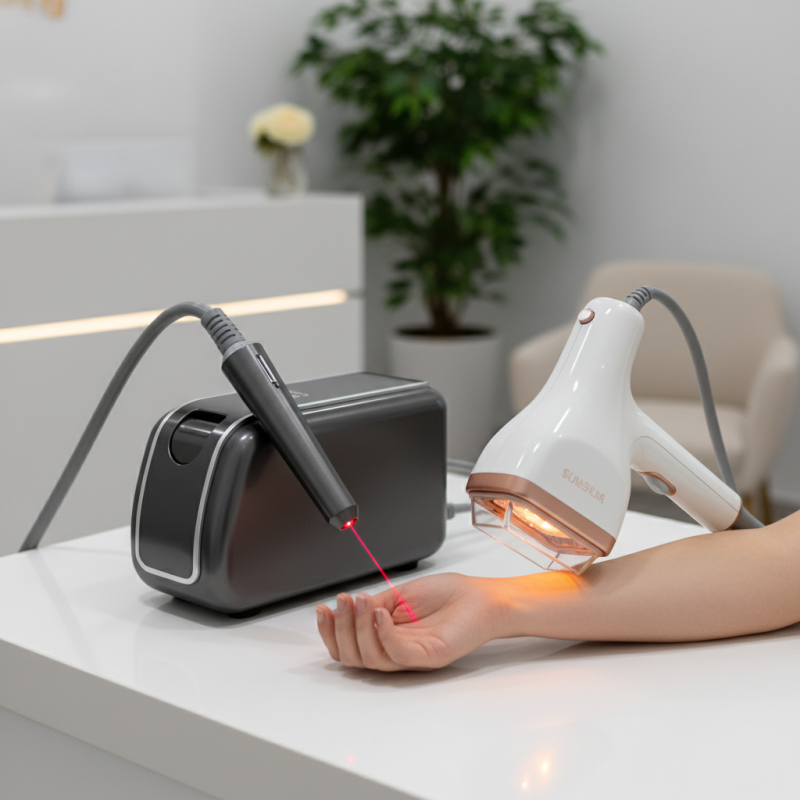
When considering diode laser and IPL technologies, understanding their fundamentals is crucial.
Diode lasers emit a specific wavelength of light, targeting melanin in hair follicles. This precision leads to effective hair removal with minimal skin damage. The treatment feels warm, but most people tolerate it well. On the other hand, Intense Pulsed Light (IPL) uses broad-spectrum light. It disperses across various wavelengths, making it versatile for hair removal and skin rejuvenation. However, this can result in uneven treatment effects.
Selecting the right technology involves weighing effectiveness against comfort and versatility. Diode lasers provide targeted treatment, ensuring more consistent results on dark hair. Yet, individuals with lighter hair may find diode lasers less effective. Meanwhile, IPL can be more adaptable, treating a variety of skin conditions. However, without proper calibration, results can vary widely. It's essential to reflect on your business goals and client needs. Do you prioritize quick results, or do you value versatility? Understanding these differences can guide your decision.
When deciding between diode laser and intense pulsed light (IPL) systems, effectiveness is a key factor. Diode lasers use a focused, coherent beam of light, making them highly effective for permanent hair removal. Studies show that diode lasers can deliver up to 90% hair reduction after three treatments. This is largely due to their wavelength, typically ranging from 800 to 810 nm, which is well-absorbed by melanin.
On the other hand, IPL technology works through broad-spectrum light. While it can treat various skin types and conditions, its effectiveness for hair removal is often less targeted than diode lasers. Research indicates IPL systems typically achieve about 70% hair reduction in the same number of sessions. However, heeded caution is necessary. Some clients report discomfort and require a higher number of sessions, affecting overall satisfaction.
The choice may also depend on your business focus. If you aim for specialized hair removal services, diode lasers may be the superior option. Conversely, if versatility in treating skin conditions is important, IPL technology might fit better. Understanding these nuances helps you make an informed decision. Each option has pros and cons, necessitating careful consideration of client needs and expected outcomes.
When considering the cost of diode lasers versus IPL, the initial investment is significant. Diode lasers typically come with a higher price tag. This upfront cost can be a barrier for new businesses. In contrast, IPL devices are often more affordable, making them appealing for those on a budget. However, the cheaper option may not always be the best in the long run.
Maintenance costs also differ. Diode lasers may require specialized maintenance, which can add to ongoing expenses. Technicians trained in diode technology might command higher fees. On the flip side, IPL devices often have lower maintenance costs. Yet, they may need routine replacements and repairs. It’s essential to consider the long-term implications of these choices.
Additionally, think about the expected lifespan of the devices. Diode lasers can be more durable and reliable, potentially saving money on replacements. Evaluating the trade-offs between upfront and maintenance costs is crucial. Each option has its own merits and challenges to reflect on. Understanding these dynamics can guide your decision-making process effectively.
| Criteria | Diode Laser | IPL |
|---|---|---|
| Initial Cost | $30,000 - $90,000 | $20,000 - $50,000 |
| Maintenance Cost (Annual) | $1,500 - $3,000 | $500 - $1,500 |
| Operating Cost (Per Treatment) | $10 - $30 | $5 - $15 |
| Lifespan of Equipment | 10+ years | 5 - 10 years |
| Training Cost | $1,000 - $3,000 | $500 - $2,000 |
When considering patient demographics for diode laser and IPL treatments, it’s essential to understand preferences. Recent studies indicate that younger patients, aged 18-35, generally prefer laser treatments. This age group often seeks quick results with minimal downtime. They appreciate technology-driven solutions that offer efficacy. In contrast, older patients may lean towards IPL. They often value versatility for skin concerns such as pigmentation and vascular lesions.
Treatment preferences also vary by skin type. According to industry reports, diode lasers show effectiveness across a broad range of skin tones. They appeal to those with varying pigmentations. IPL, however, may be less effective on darker skin types, leading to a gap in patient satisfaction. It's crucial to present options transparently and to remain sensitive to these demographic factors.
Awareness of financial concerns is important. Many patients, regardless of age, will factor in treatment costs. A report by the American Society for Aesthetic Plastic Surgery found that nearly 40% of patients prioritize affordability. This concern can lead to indecision when choosing between the two technologies. Healthcare providers must engage with these aspects, ensuring their offerings align with client expectations while navigating budget constraints.
When considering diode lasers and IPL for your business, regulatory compliance and safety standards are crucial. According to a report by the American Society for Laser Medicine and Surgery, equipment must adhere to specific guidelines to ensure patient safety. Compliance is not just paperwork; it influences operational integrity and can prevent legal issues.
Diode laser systems typically require medical device registration. Safety standards often include features like safety interlocks and cooling systems. This is essential in minimizing risks during procedures. In contrast, IPL devices may not always have the same rigorous requirements, but they must still meet safety benchmarks. The FDA has classified both technologies, emphasizing the need for proper training and certification for operators.
Ignoring these regulations can lead to costly penalties. A study by the International Journal of Aesthetic Surgery revealed that over 30% of laser mishaps were linked to non-compliance. This highlights the importance of ongoing education in safety practices. Regular audits and staff training can help maintain a safe working environment. Understanding the nuances of compliance will set your business apart in a competitive market.
: Diode lasers offer focused light and can achieve up to 90% hair reduction. IPL systems provide broader light but reach about 70% reduction.
Diode lasers often require just three sessions for significant results. Some IPL users might need more sessions, leading to mixed satisfaction.
Yes, diode lasers typically have a higher initial investment. IPL devices are often more budget-friendly, which may appeal to new businesses.
Diode lasers may need specialized maintenance, incurring higher ongoing expenses. IPL equipment usually has lower maintenance costs but may require more frequent repairs.
Regulatory compliance is crucial for patient safety. Non-compliance can lead to penalties and increased risks, emphasizing the need for proper training.
Diode lasers often include safety interlocks and cooling systems to minimize procedure risks. These features support safer operational practices.
Yes, businesses specializing in hair removal might prefer diode lasers. Those needing versatile treatments may find IPL systems more suitable.
Diode lasers can be more durable, potentially saving money on replacements. Evaluating this trade-off is essential for long-term planning.
Both diode laser and IPL operators must have proper training and certification. This ensures compliance with safety benchmarks and operational integrity.
Regular education helps prevent mishaps and maintains safety standards. Knowledgeable staff can enhance patient outcomes and business reputation.
When considering how to choose between diode laser and IPL technologies for your business, it's essential to understand the fundamental principles behind each option. Diode lasers offer precise targeting and effective results for hair removal and skin treatment, while IPL systems provide versatile solutions suitable for multiple skin conditions. A comparison of their effectiveness reveals that diode lasers tend to provide more consistent outcomes for specific applications.
When evaluating initial investment and maintenance costs, diode lasers may require a higher upfront expense but can result in lower long-term operational costs. Additionally, understanding patient demographics and treatment preferences is crucial, as different clients may have varying expectations and comfort levels with these technologies. Finally, ensuring compliance with regulatory safety standards is paramount for both diode laser and IPL equipment to guarantee patient safety and successful treatment outcomes.

NexAffair Medical