How to avoid burns during diode laser treatment begins with respecting the laser’s power. Diode systems deliver concentrated heat into the hair follicle, while the surrounding skin absorbs some energy. Incorrect settings can cause intense pain, blistering, crusting, or temporary pigment changes. These risks increase with recent tanning, darker skin types, poor cooling, or inexperienced operation.
Dr. Tina Alster, a board-certified dermatologist and laser-treatment specialist, offers this practical warning: “Safe treatment depends on the right device, settings, and skin assessment—not speed.” Her point is easy to overlook. A qualified provider should examine your skin, ask about medications, check recent sun exposure, and perform a small patch test. The test area should be watched for unusual redness, swelling, or delayed irritation.
During treatment, cooling should feel consistent, not occasional. Tell the provider immediately if the sensation changes from warm snapping to sharp, spreading heat. Do not endure severe pain silently. That is not bravery.
A safer appointment uses clean equipment, calibrated settings, suitable eye protection, and a clear aftercare plan. Avoid tanning, hot baths, vigorous exercise, and irritating products after treatment. Cool compresses may soothe mild redness, but blisters or worsening pain require prompt medical attention.
Even experienced professionals can misjudge a reaction. Skin is not perfectly predictable. Careful assessment, honest communication, and conservative adjustments remain the strongest protection against burns during diode laser treatment.
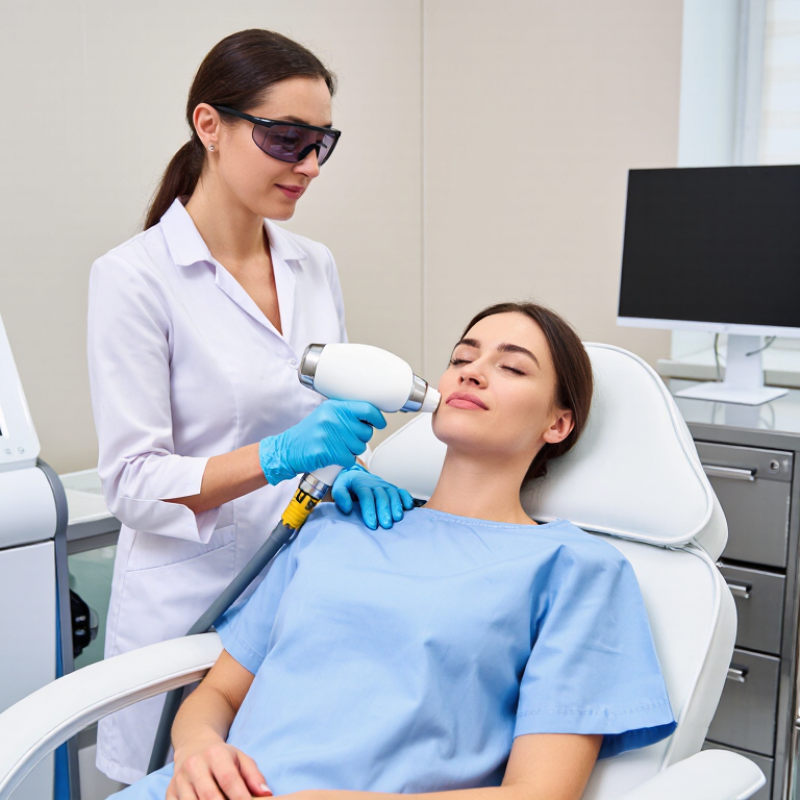
Before diode laser treatment, assess the skin rather than relying on appearance alone. A qualified practitioner should record the client’s skin type, recent sun exposure, tanning history, and previous reactions. Darker skin may have a higher risk of burns or unwanted pigment changes, but every skin tone needs careful screening. Ask about eczema, active irritation, scars, and medicines that increase light sensitivity. Small details matter.
Tip 1: Check the treatment area closely. Redness, broken skin, or a fresh tan may require postponement. The skin should feel calm, not hot or tender. A patch test can help confirm a suitable energy level, pulse duration, and cooling method. Follow the clinic’s recommended waiting period before treating the full area.
Tip 2: Begin conservatively. Diode laser settings should match hair thickness, skin response, and body location. More power is not always better. During treatment, continuous cooling and regular skin checks are essential. Stop immediately if the client reports sharp pain, unusual heat, or persistent stinging. Mild warmth can occur, but intense pain deserves attention. Tip 3: Reassess after every session. Skin response may change with seasons, medication, or recent outdoor exposure. Keeping clear treatment notes improves consistency and safety. I have seen rushed assessments create avoidable problems; slowing down is often the more professional choice.
| Tip | What to Assess Before Treatment | Burn-Risk Indicators | Safer Practice |
|---|---|---|---|
| 1. Identify the Fitzpatrick skin type | Estimate how readily the skin burns or tans. Types I–II usually burn easily, while Types V–VI contain more melanin and require particularly careful energy selection. | Darker natural skin, recently tanned skin, or uneven pigmentation can absorb more laser energy and increase the risk of overheating. | Record the skin type and assess the actual treatment area rather than relying only on the patient’s general complexion. Use conservative settings when skin pigmentation is higher. |
| 2. Check for recent sun exposure or tanning | Ask about sun exposure, tanning beds, self-tanners, and outdoor activities during the previous several weeks. | A tan increases melanin in the epidermis. The laser may heat the surrounding skin instead of selectively targeting the hair follicle. | Postpone treatment on recently tanned or sunburned skin. Allow the skin to return to its normal color and use broad-spectrum sunscreen with SPF 30 or higher. |
| 3. Perform a patch test | Test a small area with the intended wavelength, pulse duration, spot size, cooling method, and conservative fluence. | Excessive pain, persistent whitening or darkening, blistering, or prolonged redness after testing may indicate that the settings are unsuitable. | Observe the test area during treatment and again after an appropriate interval according to the device protocol. Do not proceed if an abnormal reaction occurs. |
| 4. Match energy and pulse settings to the skin and hair | Consider skin type, hair color, hair thickness, treatment area, previous response, and the selected diode wavelength. | High fluence, short pulses, repeated passes, excessive overlap, and treating the same area too many times can raise epidermal heat. | Follow the device’s validated treatment protocol. Increase energy gradually only when the skin response is appropriate and avoid unnecessary passes. |
| 5. Use effective cooling and prepare the skin correctly | Confirm that the cooling system is functioning and that the treatment area is clean, dry, and free from products that may interfere with the laser. | Inadequate cooling, residual oils or cosmetics, broken skin, or poor contact between the handpiece and skin may cause uneven heating. | Clean and dry the area, use the recommended cooling method, maintain consistent contact, and check the skin response throughout the session. |
| 6. Review medical history and medications | Ask about photosensitizing medicines, active skin conditions, infections, open wounds, a history of abnormal scarring, and previous reactions to light-based treatments. | Photosensitivity, active inflammation, impaired healing, or an unclear medication history may increase the likelihood of adverse skin reactions. | Defer treatment or obtain medical clearance when appropriate. Never stop a prescribed medicine without advice from the prescribing clinician. |
| 7. Monitor the skin during and after treatment | A mild, temporary perifollicular redness or swelling can be an expected response, but the skin should be checked continuously. | Severe or increasing pain, gray or white discoloration, blistering, crusting, marked swelling, or persistent redness may signal a burn or other injury. | Stop immediately if an abnormal reaction appears, cool the area appropriately, document the response, provide aftercare guidance, and seek medical evaluation for significant or worsening symptoms. |
Important: Diode laser treatment should be performed by a trained professional using the device manufacturer’s clinical protocol and applicable local regulations. Individual settings must be determined through a qualified assessment and patch testing.
Consider skin tone, hair thickness, recent sun exposure, and current medications. Start conservatively.
A small patch can reveal unexpected sensitivity before full treatment. Wait 24 to 48 hours, following clinic safety instructions.
Cooling should begin before each pulse, continue during treatment, and remain available afterward. Use equipment-compatible cooling only.
Move the handpiece steadily across the skin. Holding it still can create excessive heat and increase burn risk.
Avoid treating numb, irritated, or recently tanned skin without careful clinical review. Darker skin may need lower energy and longer pulses.
Watch for spreading redness, severe heat, gray or white patches, unusual darkening, swelling, or fluid-filled blisters. Burning smell matters.
Stop treatment immediately. Cool the area with clean, gently running water for 20 minutes. Do not apply ice, alcohol, or perfumed lotion.
Contact a qualified healthcare professional for blistering, broken skin, severe pain, or persistent tenderness. Seek urgent care for fever, pus, spreading swelling, or vision changes.
Review treatment settings, cooling methods, sun exposure, overlapping passes, medications, and previous reactions. Skin response can change between sessions. Perfect settings do not exist.
How to avoid burns during diode laser treatment begins with evaluating the client’s skin type, recent sun exposure, medications, and history of sensitivity or scarring. A trained professional should inspect the treatment area, remove cosmetics, oils, and hair products, and ensure the skin is clean, dry, and free from irritation. Appropriate laser settings should be selected according to skin tone, hair characteristics, and treatment area, while effective cooling is used to reduce heat buildup and improve comfort.
During treatment, the skin should be monitored continuously for excessive redness, whitening, blistering, or unusual pain. Afterward, protect the area from heat, friction, and direct sunlight, and follow suitable aftercare instructions, including gentle cleansing and approved soothing products. If severe pain, swelling, blisters, open skin, or worsening discoloration appears, stop further treatment and seek prompt medical advice. Careful assessment, controlled technique, and timely attention to warning signs can greatly reduce the risk of burns.

 NexAffair Medical