What is the recovery time for fractional CO2 laser? For many patients, visible redness and swelling last three to seven days. Skin may feel hot, tight, or sunburned during the first evening. Peeling often begins around day two. Fresh, pink skin can remain for several weeks, especially after deeper resurfacing. Recovery is not a fixed appointment on a calendar.
Dr. Jill Waibel, a board-certified dermatologist and laser specialist, explains, “Every patient heals differently, and treatment settings matter.” Her statement reflects an important clinical reality. Fractional CO2 laser recovery depends on treatment depth, energy level, skin sensitivity, age, and aftercare. A lighter session may allow social recovery within a week. A stronger session may require two weeks or longer before makeup feels comfortable. Sometimes, the skin looks better before it feels normal.
Expect detail, not promises. You may notice tiny grid-like marks, brown flakes, or uneven redness across the treated area. These signs can appear alarming, but they often represent normal healing. Still, worsening pain, spreading warmth, pus, or fever needs prompt medical assessment. Do not pick peeling skin. Do not rush back to active skincare, intense exercise, or direct sunlight. Your clinician should provide specific instructions for cleansing, moisturizing, and sun protection.
The honest answer is imperfect. “Fast recovery” means different things to different people. A patient may return to work quickly while waiting months for redness to fully fade. This 2026 guide explains realistic timelines, recovery stages, and the factors that can quietly extend healing.
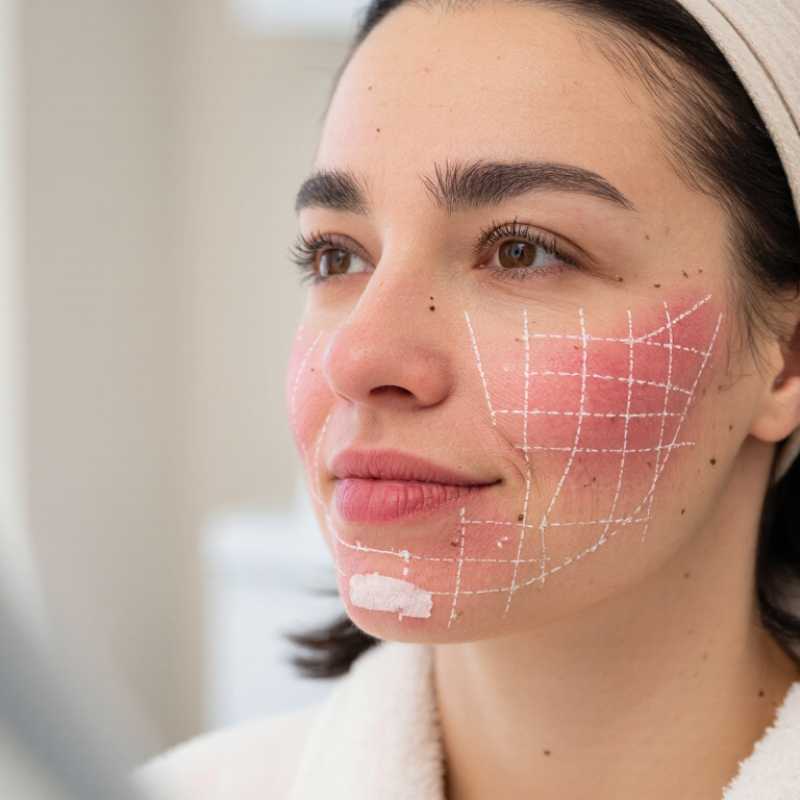
Fractional CO2 laser resurfacing treats the skin in microscopic columns. Each column removes damaged surface tissue and heats deeper layers. Untreated skin remains between these columns, supporting faster repair. The process can soften fine lines, acne scars, rough texture, and uneven tone. Collagen remodeling continues for several months. However, results depend on treatment depth, skin type, scar pattern, and aftercare.
Tips: Keep the treated area clean and moisturized as directed. Do not pick peeling skin. Avoid direct sunlight, heat, and strenuous exercise during early healing. Use only clinician-approved sunscreen after the skin has closed. Ask about antiviral protection if you have a history of cold sores.
Recovery is not perfectly predictable. A neat timeline sounds reassuring, but real skin is rarely neat. Redness, swelling, tightness, and mild oozing may appear during the first few days. Peeling often follows. Many patients need about one to two weeks before visible recovery, while pinkness can last longer. Darker skin tones may face a higher risk of temporary pigmentation changes. A qualified medical professional should assess your skin before treatment and explain safer settings. Contact the clinic if pain increases, drainage develops, or healing seems unusual.
Fractional CO2 laser recovery time depends on treatment depth, skin condition, and the treated area. Light resurfacing may produce peeling, redness, and swelling for five to seven days. Deeper settings can require ten to fourteen days before the skin looks comfortable in public. Redness may continue for several weeks. Healing varies.
Your clinician’s settings matter greatly. Higher energy can improve texture, but it usually increases crusting and downtime. Sensitive areas, such as the skin around the mouth, may recover differently from the cheeks. Darker or easily pigmented skin may need cautious settings and strict sun protection. A qualified practitioner should review your medical history, previous procedures, and tendency toward abnormal scarring.
Daily care also shapes recovery. Clean the area gently, apply the recommended barrier ointment, and avoid picking flakes. Direct sunlight can worsen lingering discoloration, even after the surface appears healed. Smoking, poor sleep, uncontrolled health conditions, and missed aftercare may slow repair. It is not always obvious.
Patients often expect a steady improvement each day, but healing can fluctuate. Redness may fade, then look stronger after heat, exercise, or sun exposure. That does not automatically indicate a complication. However, increasing pain, spreading warmth, pus, fever, or worsening swelling requires prompt medical assessment. Recovery estimates are helpful, but they are not promises.
Day 0–1: Immediately after fractional CO2 laser treatment, the skin may feel hot, tight, and sunburned. Redness and mild swelling often appear within hours. Your clinician may recommend cooling compresses and a bland, protective ointment. Avoid rubbing, picking, sweating heavily, and applying unapproved products. Keep the treated area clean. It can look worse before it looks better.
Days 2–3: Swelling may peak, especially around the eyes. Tiny brown dots, rough texture, or clear fluid can develop across the treated skin. These changes usually reflect the skin’s repair process, but healing varies with treatment depth, skin type, and aftercare. I have seen people underestimate this stage because discomfort may decrease while redness remains noticeable. Do not remove peeling skin. Let it shed naturally.
Days 4–7: Flaking and dryness commonly continue. Fresh pink skin may appear underneath, with sensitivity to sunlight and heat. By the end of the first week, many people can resume gentle skincare, but only when their clinician approves it. Strong acids, retinoids, scrubs, and fragranced products may irritate recovering skin. Healing is not always linear. Some redness can last several weeks, particularly after deeper settings or in reactive skin. Contact a qualified medical professional if pain worsens, swelling becomes severe, pus appears, fever develops, or blisters spread. Recovery should be monitored, not rushed.
Expected Skin Changes During the Healing Process
After fractional CO2 laser treatment, skin often appears red, warm, and swollen. The first 24 hours may feel like a strong sunburn. Tiny dark dots can form where the laser created microscopic treatment columns. According to clinical guidance from the American Academy of Dermatology, swelling commonly improves within several days, while redness may remain longer. Skin texture can look uneven at first. This is normal, but not always comfortable.
By days three to seven, treated skin may feel dry, tight, or rough. Fine peeling can reveal brighter skin underneath. A clinical review in Lasers in Medical Science reports that fractional resurfacing commonly requires about one week of visible recovery, although deeper settings may extend redness and peeling. Mild itching can occur. Scratching is a mistake, even when the skin feels healed.
During weeks two to six, pinkness usually fades gradually, while collagen remodeling continues beneath the surface. Some people notice temporary brown discoloration, especially after sun exposure or inflammation. The AAD recommends strict sun protection during recovery. Individual healing differs with skin tone, treatment depth, and medical history. I have seen patients expect instant smoothness; that expectation needs reconsideration. Worsening pain, spreading redness, pus, or persistent swelling requires prompt medical review.
| Typical Timing | Expected Skin Changes | Common Sensations | What You May Notice | General Recovery Considerations |
|---|---|---|---|---|
| Immediately after treatment | Redness and warmth | A hot, sunburn-like feeling, stinging, or tightness | The treated area may look flushed or swollen, especially around the eyes | Use the cooling and aftercare measures recommended by the treating clinician. Avoid rubbing or scratching the skin. |
| Days 1–2 | Increasing redness, swelling, and sensitivity | Tenderness, dryness, itching, or mild discomfort | Swelling may be more noticeable the next morning. The skin can appear bright red or pink. | Keep the skin clean as instructed, use only approved products, and protect the area from direct sunlight. |
| Days 2–4 | Bronzing, pinpoint crusting, or a rough texture | Tightness and itchiness may continue | Tiny dark dots or a sandpaper-like texture can develop as treated microscopic columns heal. | Do not pick, peel, or manually remove flakes or crusts. Avoid exfoliating acids, retinoids, and other irritating products unless cleared by a clinician. |
| Days 4–7 | Flaking and shedding of superficial damaged skin | Dryness, mild itching, and gradual reduction in tenderness | The skin may shed in small flakes, revealing pink or newly resurfaced skin underneath. | Moisturize only with products approved for post-procedure use. Avoid picking and continue diligent broad-spectrum sun protection. |
| Days 7–14 | Redness gradually fades, but pinkness may remain | Usually less discomfort; sensitivity can persist | Texture may feel smoother, while discoloration or residual redness may still be visible. | Return to regular skincare gradually and only when the skin barrier has recovered and the clinician permits it. |
| Weeks 3–6 | Progressive improvement in texture and tone | Most people have little or no discomfort | Fine lines, uneven texture, and some pigmentation concerns may begin to look improved, although results are still developing. | Maintain daily sun protection. Avoid unnecessary heat, tanning, and irritating procedures until advised that the skin is ready. |
| Months 2–3 and beyond | Continued collagen remodeling | The skin should generally feel comfortable | Further improvement in firmness, texture, and the appearance of scars or fine lines may become more noticeable over time. | Final results vary by treatment intensity, skin type, treatment area, and the number of sessions. Follow-up may be needed to assess progress. |
Fractional CO2 laser recovery is rarely perfectly linear. Skin may feel hot, tight, and swollen during the first day. Redness, pinpoint bleeding, and clear fluid can occur after deeper treatment. By days three to seven, tiny dark dots or crusts may appear. Do not pick them. Let them shed naturally, even when the texture feels uneven.
Cleanse gently with lukewarm water and the products recommended by your qualified clinician. Pat the skin dry with a clean towel. Apply the prescribed healing ointment as directed. Avoid scrubs, retinoids, strong acids, swimming pools, saunas, and strenuous exercise until your provider permits them. Sun protection matters, but timing varies with the skin barrier and treatment depth. Ask before applying sunscreen to raw areas. This detail is easy to overlook.
Contact your treatment provider if pain worsens instead of easing, redness spreads beyond treated skin, or swelling becomes severe. Yellow discharge, increasing warmth, fever, clustered blisters, or a strong unpleasant odor may signal infection or another complication. Seek urgent medical care for breathing difficulty, sudden facial swelling, or eye pain or vision changes. Recovery estimates online can mislead; laser settings, skin sensitivity, aftercare, and medical history all matter. I would not judge healing by appearance alone. A follow-up examination is safer than guessing from photographs.
Recovery varies with treatment depth, skin type, treatment area, and individual healing. These ranges represent commonly reported clinical milestones, not a personal medical prediction.
Support safe healing: Follow your clinician’s wound-care instructions, keep treated skin clean and adequately moisturized, avoid picking or scrubbing, limit heat and direct sun exposure, and use sun protection only as directed for the stage of healing.
Seek prompt medical advice for worsening pain, spreading redness or warmth, increasing swelling, pus-like drainage, fever, blisters, heavy bleeding, breathing difficulty, or eye symptoms. Contact your treating clinician if symptoms are severe or do not improve as expected.
Light treatment may cause peeling, redness, and swelling for five to seven days. Deeper treatment may need ten to fourteen days. Redness can last several weeks.
Skin may look red, swollen, and warm. It can feel like a strong sunburn. Tiny dark dots may appear.
Skin may feel dry, tight, rough, or mildly itchy. Fine peeling can reveal brighter skin underneath. Do not scratch.
Yes. Skin around the mouth may recover differently from the cheeks. Sensitive areas often need closer observation.
Higher energy can improve texture, but it usually increases crusting and recovery time. More aggressive treatment is not automatically better.
Clean the area gently and apply the recommended barrier ointment. Avoid picking flakes. Keep direct sunlight away from healing skin.
Heat, exercise, or sunlight may temporarily intensify redness. That does not always mean a complication. Healing is not perfectly steady.
Contact a qualified medical professional for increasing pain, spreading warmth, pus, fever, or worsening swelling. Do not wait and guess.
Yes. Cautious settings and strict sun protection may reduce discoloration risks. Temporary brown patches can still occur after inflammation.
Surface healing may take about one week, while redness lasts longer. Collagen remodeling continues during weeks two to six. Instant smoothness is an unrealistic expectation.
Fractional CO2 laser resurfacing creates microscopic columns of controlled thermal injury in the skin, stimulating collagen renewal while leaving surrounding tissue intact for faster healing than fully ablative treatments. What is the recovery time for fractional CO2 laser treatment? It varies according to treatment intensity, skin type, treated area, individual healing speed, and aftercare. Most people experience redness, swelling, warmth, and sensitivity during the first few days, followed by dryness, bronzing, peeling, or tiny crusts as the skin repairs itself.
Recovery commonly progresses over one to two weeks, although mild redness and texture changes may continue to improve for several weeks. Gentle cleansing, frequent use of a recommended moisturizer, strict sun protection, and avoiding picking, harsh products, heat, and strenuous activities can support safer healing. Increasing pain, spreading redness, pus, fever, severe swelling, or unusual blistering may indicate a complication and should be assessed by a qualified medical professional. Individual instructions should always take priority because treatment settings and recovery experiences differ.

NexAffair Medical