When your EMS session feels faint, the machine may not be defective. The cause could be electrode contact, dry pads, incorrect placement, low battery power, or unsuitable intensity settings. Why is my EMS machine not feeling strong enough is a practical question, not a simple equipment complaint.
A weak sensation is not automatically a weak result. The American College of Sports Medicine emphasizes correct electrode placement, gradual progression, and individual supervision in electrical stimulation practice. Its guidelines also stress that skin condition, tissue resistance, and device settings can change stimulation quality. A pad lifting at the edge may feel like a sudden loss of power. Sweat, lotion, hair, and worn adhesive can create similar problems.
Evidence remains mixed. A systematic review published in Frontiers in Physiology reported that whole-body EMS may improve strength and body composition when programs use controlled protocols and professional supervision. However, results varied between studies, and stronger sensations did not consistently prove better training outcomes. That distinction matters.
The U.S. Food and Drug Administration has reported EMS-related problems, including skin irritation, burns, pain, shocks, and interference with implanted devices. Safety comes before intensity. Users with pacemakers, implanted defibrillators, pregnancy, epilepsy, or unexplained pain should seek qualified medical advice before use.
This guide examines practical causes, safe checks, and realistic performance limits. It also questions a common assumption: turning the dial higher is not always the correct answer. Inspect the pads first. Check the cables. Confirm the program. Then reassess the sensation carefully.
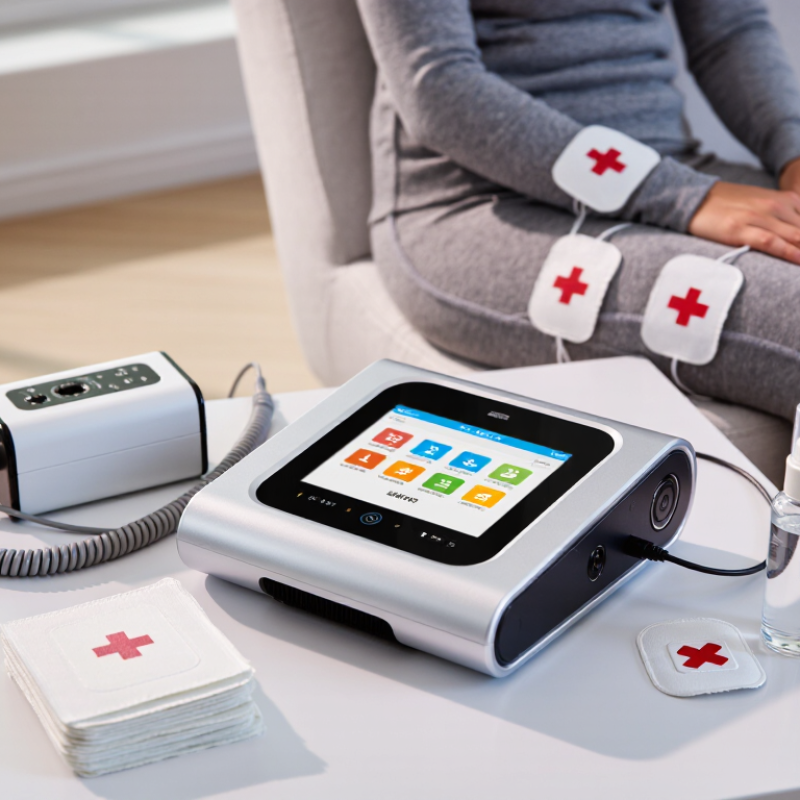
“Not strong enough” rarely means one simple problem. It may describe weak muscle contraction, poor electrode contact, low intensity, or unrealistic expectations. A stronger sensation is not automatically a stronger contraction.
Check the electrode pads first. Dry skin, loose straps, body hair, or uneven placement can reduce current delivery. The body can also adapt during a session. Increase intensity gradually, and compare both sides of the body.
The contraction should feel firm and controlled, not sharp or burning. Never chase pain.
A 2016 systematic review in Frontiers in Physiology examined 13 controlled whole-body EMS studies. It reported meaningful improvements in strength and muscle mass, but results varied between protocols and participants. That variation matters. “Strong enough” has no universal number. It depends on pulse settings, session length, electrode position, training history, and recovery.
The World Health Organization’s 2024 Global Status Report estimates that 31% of adults worldwide do not meet recommended activity levels. EMS may support training, but it should not replace normal movement or resistance exercise.
The U.S. Food and Drug Administration also warns that electrical stimulation devices can cause skin irritation, burns, pain, or interference with implanted medical devices. Stop when symptoms feel abnormal. A trained practitioner should review settings when contractions remain uneven or weak. I may be too quick to blame the machine; setup errors are often the quieter cause.
It may mean weak contractions, poor electrode contact, low intensity, or unrealistic expectations. A stronger sensation is not always a stronger contraction.
Clean and dry your skin before applying the pads. Secure each pad firmly. Check for dry gel, curled edges, body hair, or oily skin. Uneven placement can weaken one side.
Increase the intensity gradually. The contraction should feel firm and controlled. It should not feel sharp or burning. Never chase pain.
Your body may adapt to repeated stimulation. The pads may also loosen as you move. Pause and check both sides. The exact cause is not always obvious.
EMS may support training, but it should not replace movement or resistance exercise. Walking, lifting, and recovery still matter. EMS is not a shortcut.
Stop if you feel abnormal pain, burning, skin damage, or erratic pulses. Do not continue after unusual shocks. Seek qualified advice before using it again.
Inspect the pads, wires, connectors, and battery first. Replace damaged accessories before testing the control unit. Repair may be reasonable when the casing and cables remain intact. A qualified technician should check output stability and electrical safety.
Replace the unit if it overheats, smells burnt, shocks unevenly, or fails repeated output checks. Do not trust a bright display alone. Calibration matters more than appearance.
Record the machine’s age, symptoms, service history, and test results. Note when the weakness appears. Include whether one side contracts less. I might blame the machine too quickly; setup errors are often quieter.
If you are asking, “Why is my EMS machine not feeling strong enough,” the issue may not mean the device is faulty. “Not strong enough” can refer to weak muscle contractions, uneven stimulation, or a sensation that fades during use. Common causes include low intensity settings, depleted batteries, worn electrodes, poor cable connections, dry skin, or incorrect pad positioning. Sweat, lotions, and loose contact can also reduce the current reaching the muscles.
Start by cleaning and drying the skin, checking that the electrodes are firmly attached, and placing them over the intended muscle area according to the device instructions. Increase the intensity gradually until you feel a clear but comfortable contraction, and never raise it suddenly or continue through sharp pain, burning, or unusual discomfort. If stimulation remains weak after testing the battery, leads, pads, and settings, the machine may need professional repair. Replace the unit when it shows physical damage, inconsistent output, or signs that repair is no longer practical.

 NexAffair Medical